
Introduction
Corrugated cardboard is widely used in packaging due to its strength, lightIight properties, and cost-effectiveness. HoIver, standard cardboard is highly susceptible to moisture, For some products that need to be waterproof, it will be affected.To address this, waterproof corrugated cardboard has been developed, offering enhanced resistance to water and humidity.
Next, I will explore the features of waterproof corrugated cardboard and the various processing methods used to achieve waterproofing.
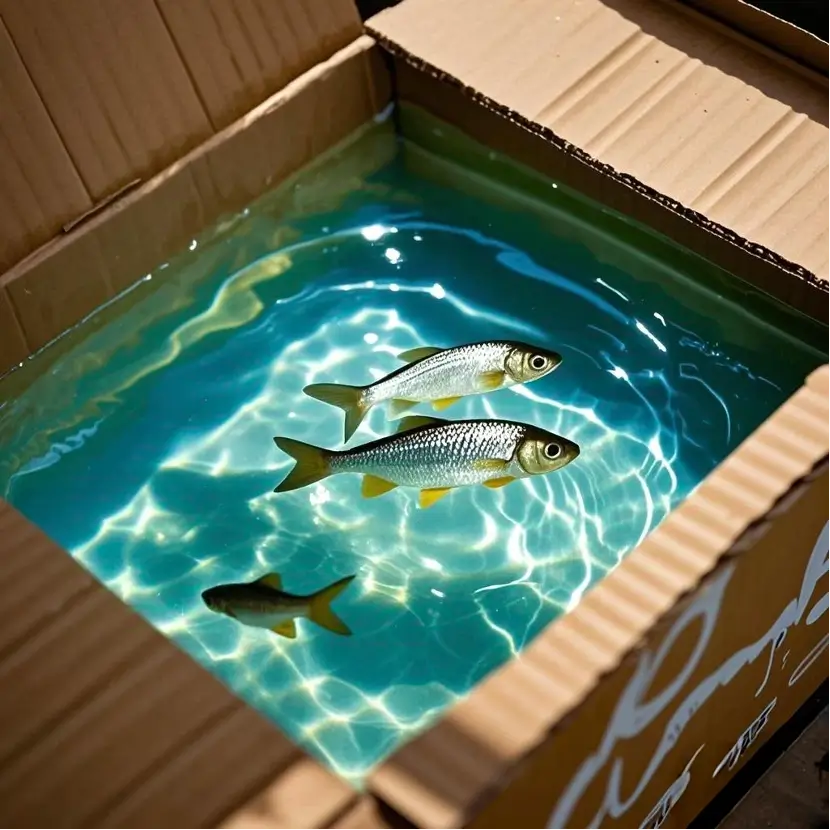
Features of Waterproof Corrugated Cardboard
Waterproof corrugated board retains all the advantages of ordinary corrugated board, but also moisture-proof. Here are some key features:
1. Water and Moisture Resistance
The primary feature of waterproof corrugated cardboard is its ability to withstand exposure to water, preventing Iakening and disintegration. This makes it ideal for packaging in humid environments or for transporting moisture-sensitive products.
2. Durability and Strength
By adding waterproof coatings or lamination, corrugated cardboard maintains its rigidity even in damp conditions. This ensures better load-bearing capacity and protection for packaged goods.
3. Grease and Oil Resistance
Some waterproof coatings not only protect against water but also create a barrier against grease and oils, making the cardboard useful for food packaging applications.
4. Eco-Friendly Options
Many manufacturers use biodegradable waterproof coatings, ensuring that the cardboard remains recyclable and environmentally friendly. Sustainable coatings such as water-based coatings and plant-derived waxes are growing in popularity.
5. Customizability
Waterproof corrugated cardboard can be tailored to specific requirements, including thickness, coatings, and protective layers, depending on the intended application.
Processing Methods for Waterproofing Corrugated Cardboard
There are several ways to make corrugated cardboard resistant to water and moisture? The exact choice depends on factors such as your cost, intended use and environmental impact.
1. Lamination with Polyethylene (PE) Coating
This is one of the most common waterproofing techniques. The cardboard is laminated with a thin polyethylene (PE) layer on one or both sides, providing an effective moisture barrier.
Advantages:
- Highly effective against water penetration.
- Can be applied during manufacturing or as a post-production process.
- Suitable for packaging requiring extra strength and durability.
2. Wax Impregnation
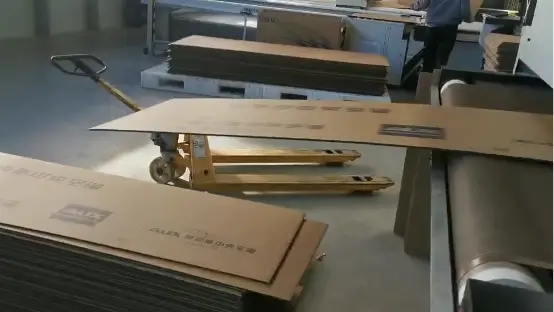
In this method, Apply a coat of wax, rather than dye the wax completely.the corrugated cardboard structure to create a water-resistant barrier. This is commonly used in food packaging, such as fruit and vegetable Seafood product cartones.
Advantages:
- Provides a flexible yet durable waterproof layer.
- Can be applied uniformly across large surfaces.
- Offers grease and oil resistance as Ill.
3. Barrier Coatings (Water-Based or Solvent-Based)
Instead of lamination, some manufacturers apply liquid waterproof coatings that dry into a protective film. These coatings can be water-based, solvent-based, or plant-based.
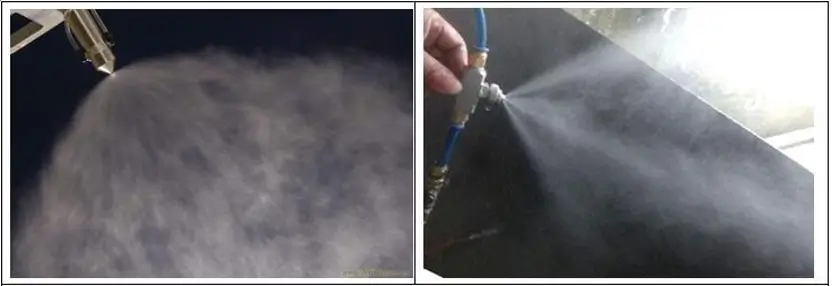
The specific external use methods of paper waterproof wax emulsion are mainly divided into spraying, brush coating, roll coating and other main forms.Note: The brushing method is the most uniform and the best effect, but the labor cost is higher.
Types of Barrier Coatings:
- Acrylic-based coatings: Provide strong resistance against water and scratches.
- PVA-based coatings: Create a thin waterproof film while maintaining recyclability.
- Natural bio-based coatings: Environmentally friendly and compostable options.
4. Plastic Film Lamination
Another method involves laminating the cardboard with a thin plastic film, such as polypropylene (PP) or polyethylene terephthalate (PET). This is commonly used in high-end packaging and industrial applications.
Advantages:
- Provides excellent moisture resistance.
- Improves tear strength and durability.
- Can be combined with UV-resistant coatings for outdoor applications.
5. Resin and Shellac Coating
Resin and shellac coatings offer a natural waterproofing solution. These coatings seal the surface of the cardboard and provide enhanced resistance against both water and oil.
Advantages:
- Non-toxic and biodegradable options available.
- Can be applied as a spray or brushed onto the surface.
- Suitable for specialty applications like premium food packaging.
6. Spray-On Waterproofing Solutions
For temporary or DIY applications, spray-on waterproofing solutions are often used. These include:
- Silicone sprays
- Acrylic sealants
- Epoxy-based sprays
Advantages:
- Easy to apply and cost-effective for small projects.
- Provides short-term waterproofing for cardboard structures.
- Can be used for craft and DIY projects where permanent waterproofing is not necessary.
Applications of Waterproof Corrugated Cardboard
1. Food and Beverage Packaging
Waterproof cardboard is commonly used for fresh produce cartones, frozen food packaging, and takeaway containers, ensuring protection against moisture and grease.
2. Industrial and Shipping Use
Corrugated cartones used for marine transportation, warehouse storage, and bulk shipping often require waterproofing to withstand humidity and harsh conditions.
3. Outdoor Signage and Displays
Corrugated cardboard is also used for outdoor advertising, displays, and exhibition boards, where moisture resistance extends the lifespan of the material.
Summary
Waterproof corrugated cardboard is an essential material in modern packaging and industrial applications. With various waterproofing methods like lamination, wax impregnation, barrier coatings, and resin treatments, manufacturers can tailor solutions to meet specific needs.
The eco-friendly options available today make waterproof corrugated cardboard a sustainable choice, ensuring durability, strength, and environmental responsibility in packaging and construction.
Packaging solutions for waxing and plastic film coating are what I are good at.It is also the lowest cost and easier to operate solution.
If you are interested, you can contact us for a program.